The story
Now
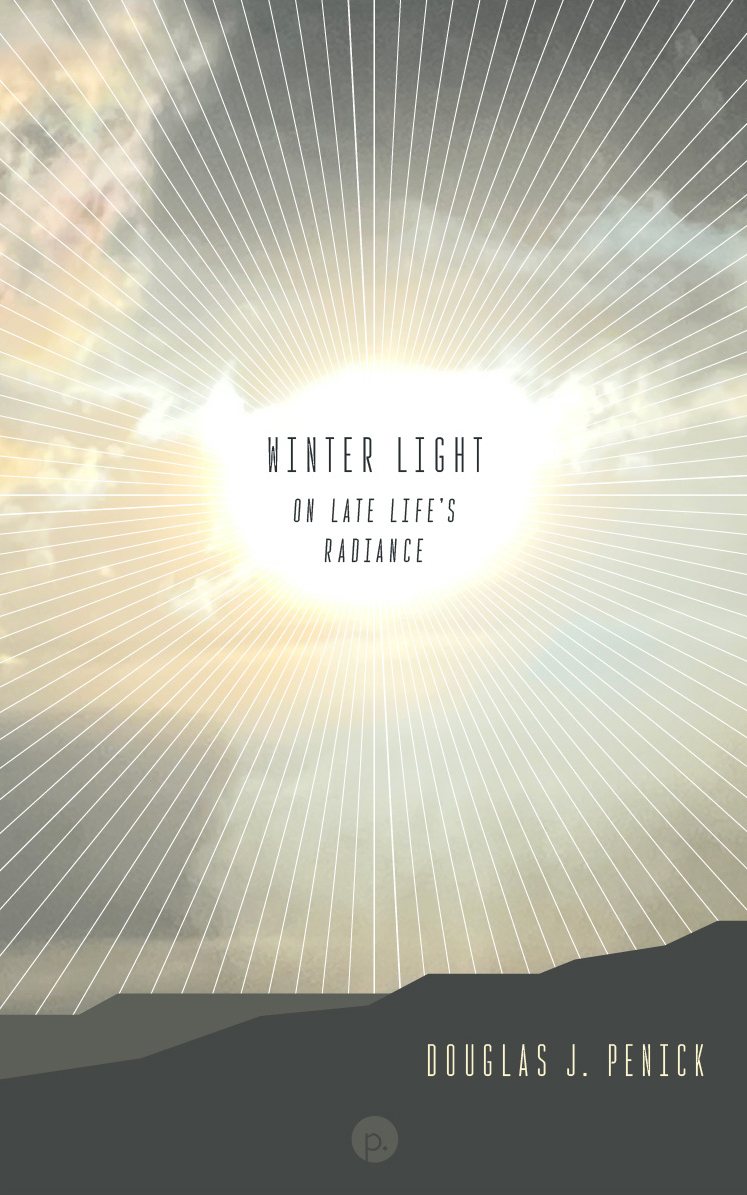
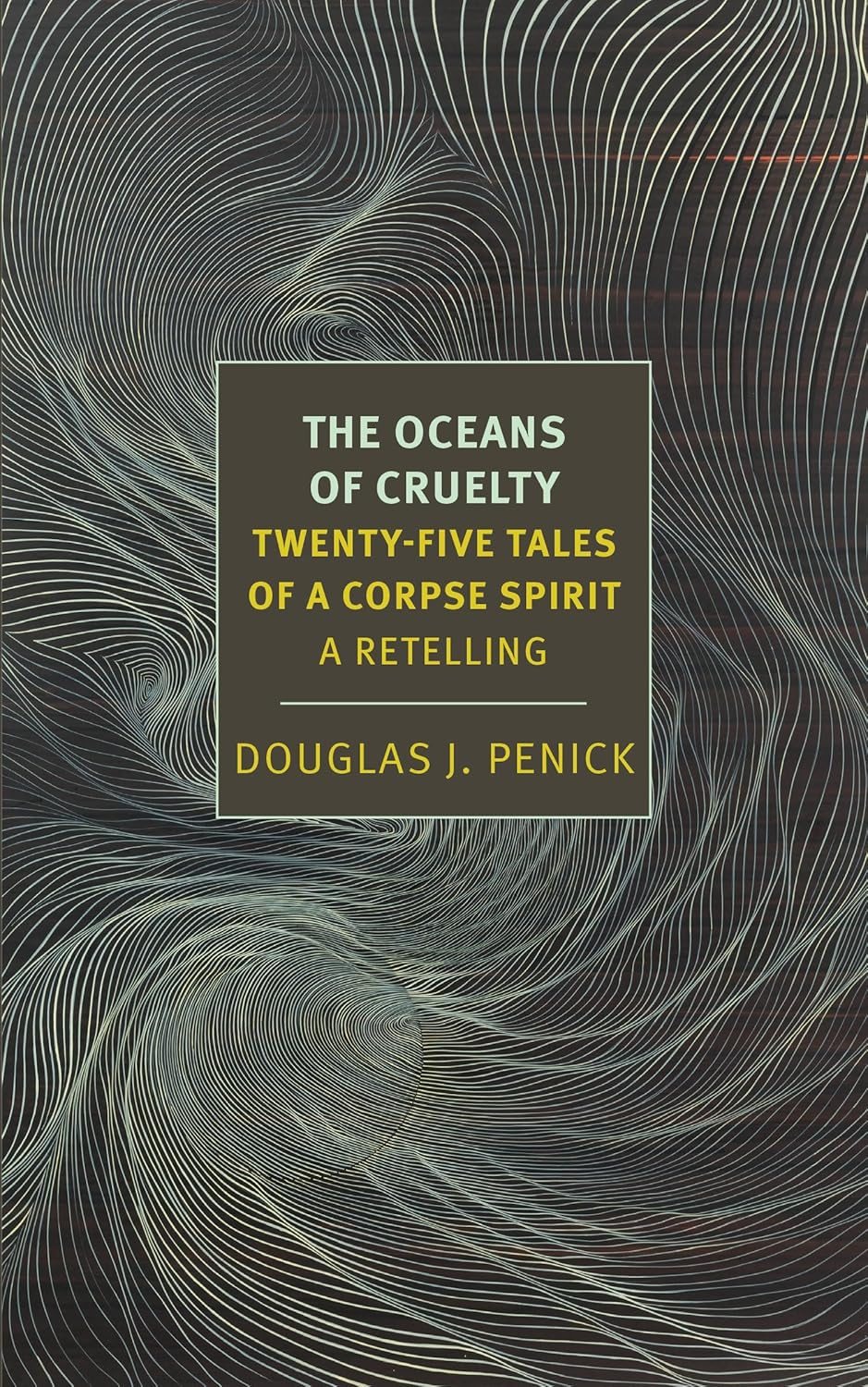
Douglas J. Penick's newest book is Winter Light: On Late Life's Radiance (punctum books, 2025), five essays on old age as its own time of life, with its own challenges and gifts, told through the late work of Titian, Beethoven, Cézanne, Janáček and others. It follows The Oceans of Cruelty (NYRB Classics, 2024), his retelling of twenty-five tales of a corpse-spirit from India, which was reviewed in The New York Times Book Review, The Washington Post and Publishers Weekly.
The path
A graduate of Princeton, he was a research associate at the Museum of Modern Art in New York and at the Institute for Architecture and Urban Studies, where he worked on Emilio Ambasz's Universitas Project at MoMA, an inquiry into the forces that might redesign the man-made environment.
He then withdrew from that world to study, practice and later teach Buddhism in the Karma Kagyu and Nyingma traditions. His teacher was Chögyam Trungpa Rinpoche, and near the end of Trungpa Rinpoche's life Penick made him a promise: to bring to the West the stories of four ancestral sovereigns, rulers whose lives shaped whole cultures. They were Ashoka of India, Gesar of Ling, the Yongle Emperor of China and Prince Shōtoku of Japan. Much of the work since has been the keeping of that promise.
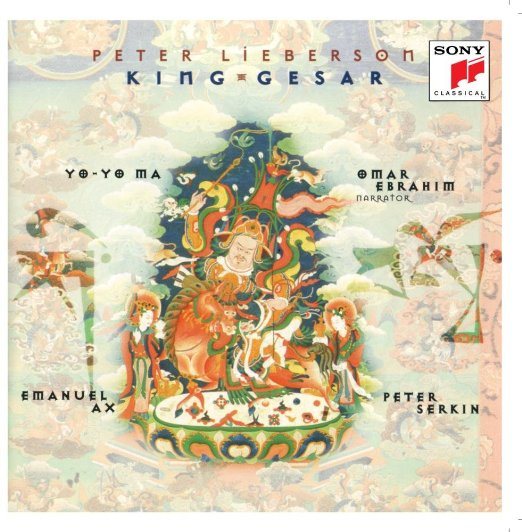
With the composer Peter Lieberson he wrote King Gesar, premiered at the Munich Biennale with Yo-Yo Ma, Peter Serkin and Emanuel Ax and recorded by Sony Classical, and Ashoka's Dream, staged by the Santa Fe Opera.
He wrote the National Film Board of Canada's two-part series on the Tibetan Book of the Dead, narrated by Leonard Cohen, and has made pieces with music by Philip Glass for the Asia Society, with the Butoh master Katsura Kan, and on commission for the New York Philharmonic, the Boulder Symphony and Denver Eclectic Concerts.
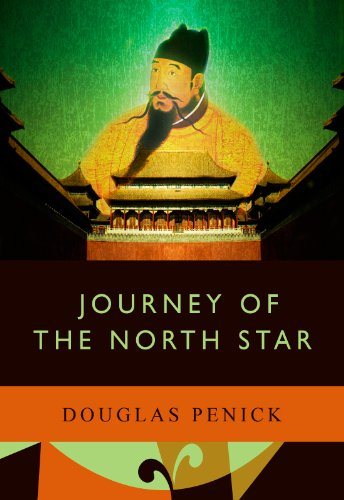
The Gesar of Ling epic became three books, The Warrior Song of King Gesar, Crossings on a Bridge of Light and The Brilliance of Naked Mind, written with the support of a grant from the Witter Bynner Foundation and since published in French and Dutch. The Yongle Emperor became Journey of the North Star, a novel told by a eunuch at the Ming court; Prince Shōtoku became The Prince's Tomb. Dreamers and Their Shadows, a novel about a teacher, his students and two forged scrolls, grew out of his own years in Trungpa Rinpoche's world.
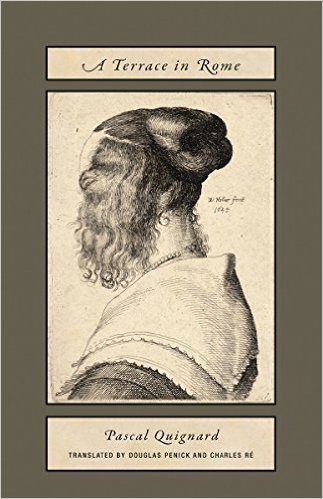
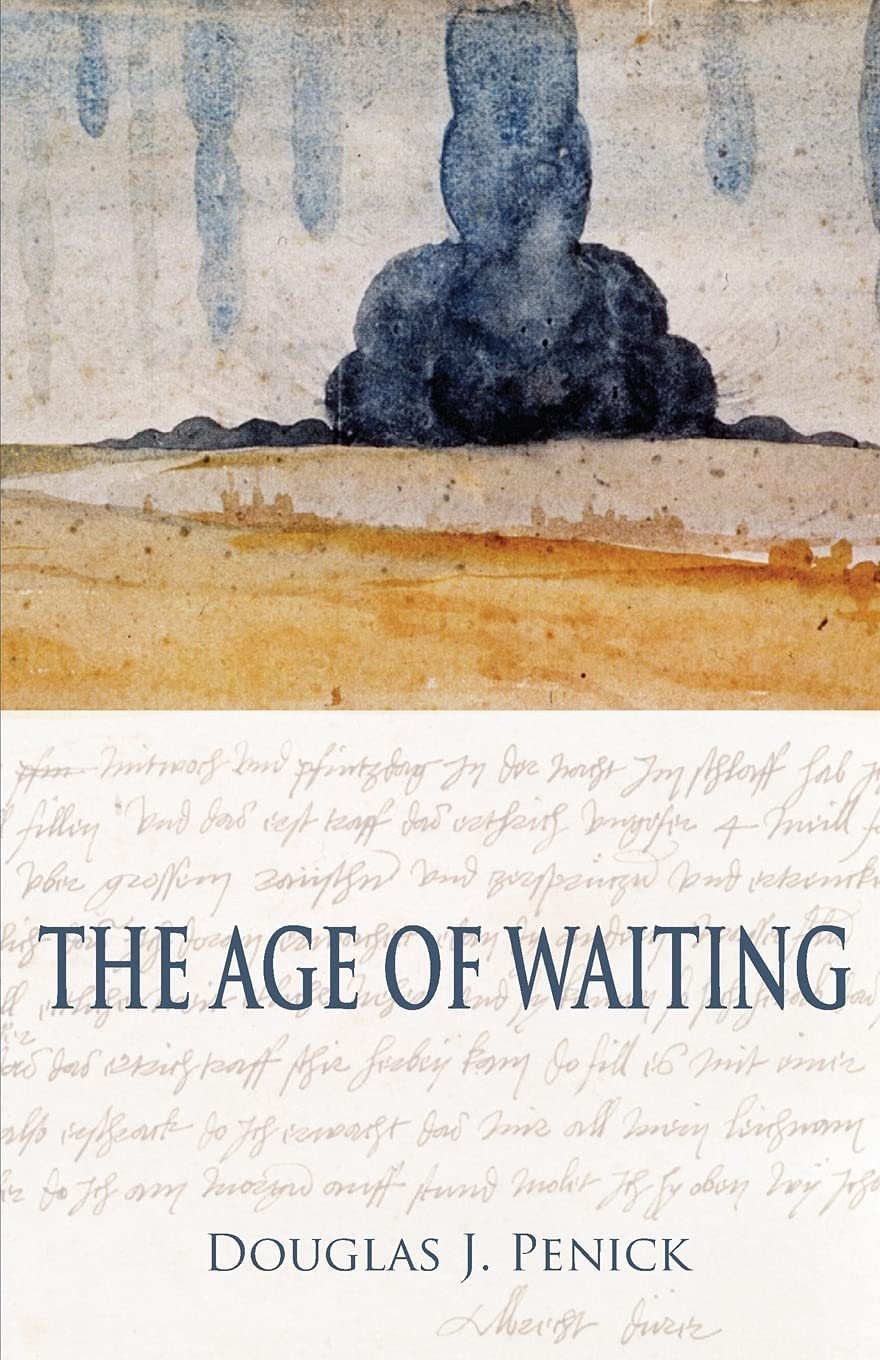
With Charles Ré he translated Pascal Quignard's A Terrace in Rome, the first English edition of the novel that won the Grand Prix du Roman de l'Académie française. The essays of The Age of Waiting were first written for Tricycle.
Spiritual practice and the arts have been interwoven since the very beginning.
The cultures his work moves through


Tibet and Central Asia, in the Gesar epic and the Tibetan Book of the Dead. India, in Ashoka and in the Vetala tales. China, in the court of the Yongle Emperor. Japan, in Prince Shōtoku and in the fifteenth-century teacher of Dreamers and Their Shadows. France, in Quignard, in the French editions of Gesar, and in the French he is learning now. And the late masters of Europe, Titian, Michelangelo, Beethoven, Cézanne, Janáček, Stravinsky, in Winter Light.
Shorter work
Shorter work has appeared in Tricycle, Agni, Parabola, Kyoto Journal, New England Review, Chicago Quarterly, Cahiers de l'Herne and Lit Hub, among many others.